Healthcare buildings don’t usually fall short overnight. Space gets tighter bit by bit, and staff start working around the building rather than with it.
For a lot of healthcare providers, expanding space brings its own complications. Traditional building work can take time and will usually disrupt areas that need to stay calm and accessible. During this time, patients still need care, and staff still need to be able to work safely.
Increasingly, providers are turning to modular buildings for healthcare because they fit around those pressures rather than adding to them.
Building While Care Continues
One of the hardest parts of expanding a healthcare facility is doing it without affecting daily operations. Construction noise, dust, and restricted access can unsettle patients and slow staff down. In a care environment, closing areas usually isn’t an option.
Modular construction can skirt that disruption by moving most of the work away from the site. The groundwork happens on location, but the building itself takes shape elsewhere. When it arrives at the site, installation happens a lot more quickly.
Approaching construction this way suits live environments like hospitals. They can stay open, clinics can continue to run appointments, and staff don’t have to reroute patients.
Designed Around How Healthcare Really Works
By nature, healthcare buildings have very specific needs. Each room needs to support the needs of doctors and nurses. Surfaces need to withstand constant cleaning. Good accessibility can’t be an afterthought.
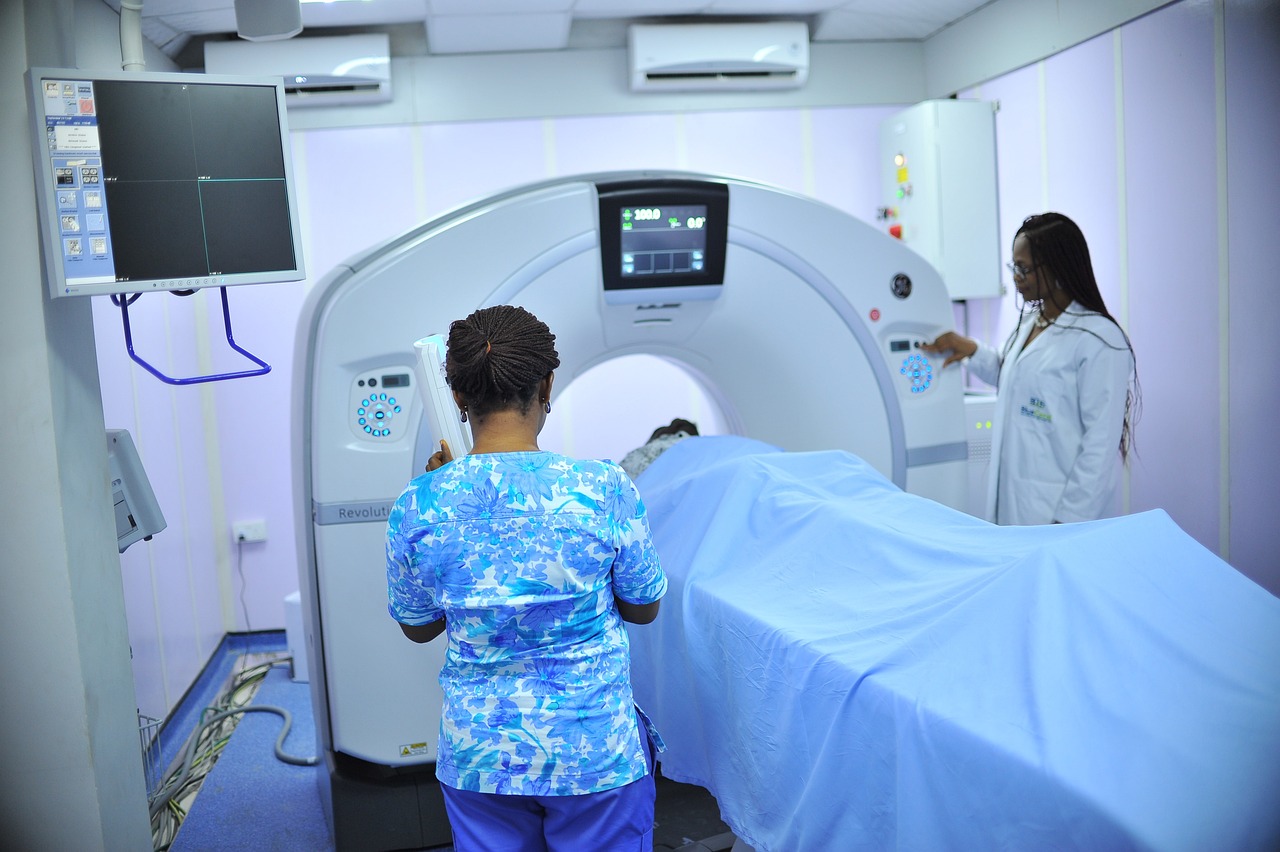
Modular healthcare buildings mean teams can plan those details early, before construction begins. Consultation rooms, treatment spaces, and staff areas can follow the way care is actually delivered, not just how it looks on a plan.
Healthcare providers can think carefully in advance about layout, storage, and movement, so rooms work better for the equipment they hold and the job they do.
When Timeframes Matter
In healthcare, delays can have major knock-on effects on other operations. Longer waits for a new space will usually mean longer waits for patients. Traditional construction schedules aren’t usually able to match the pace at which healthcare needs to move.
With modular, site preparation and building manufacturing happen at the same time, which brings completion forward significantly. For a lot of providers, that helps relieve pressure before it can cause further problems.
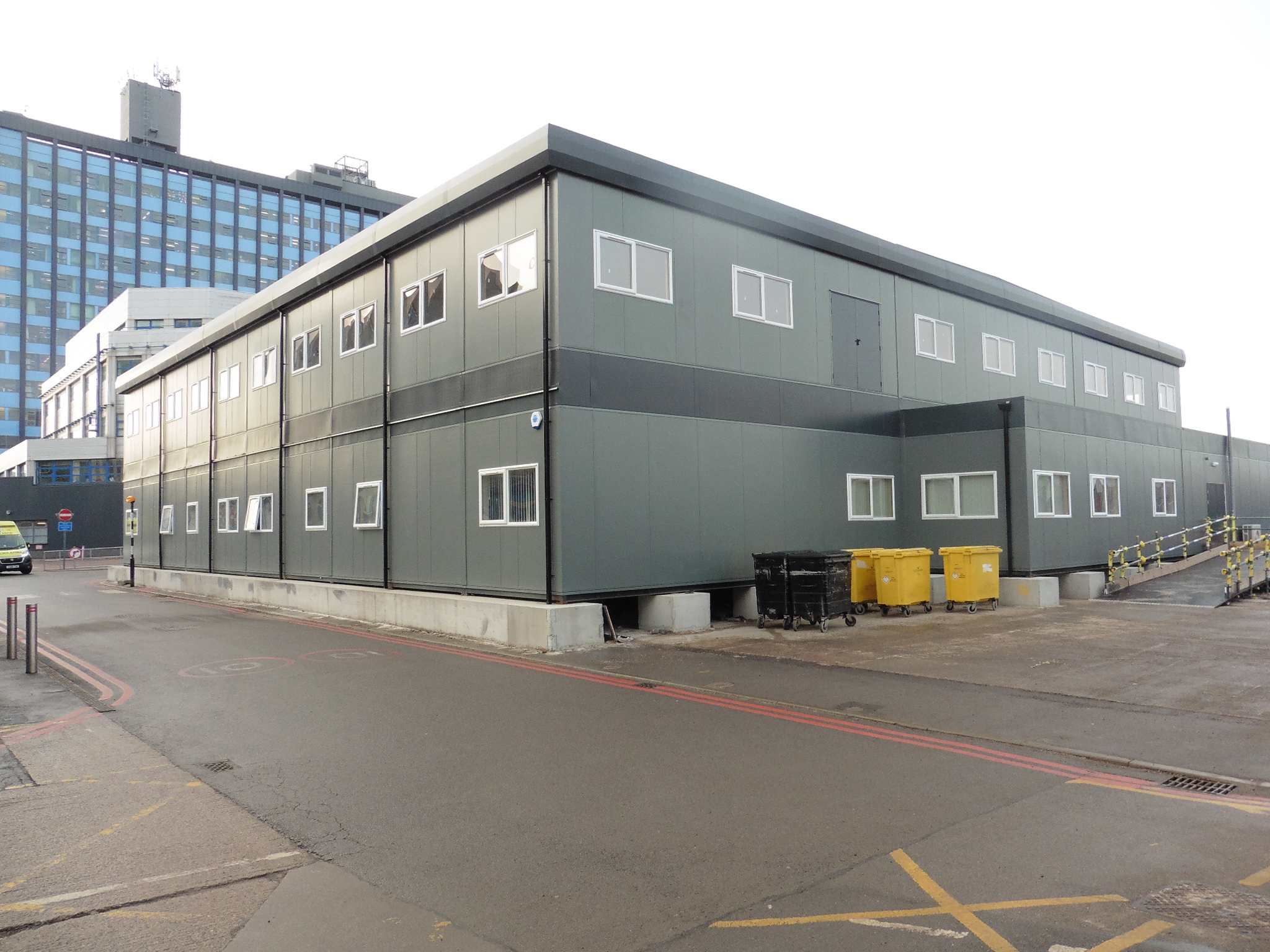
A modular hospital building might support a new ward, diagnostics area, or specialist service sooner than a conventional project would allow. That doesn’t replace careful planning, but it does give providers more breathing room.
Space That Can Change Over Time
Like most things, healthcare demand goes up and down, and buildings that can’t adapt quickly create bottlenecks.
Modular buildings are more flexible than traditional builds, meaning providers can add extra units when demand rises or even reconfigure the layout if a service changes. If new priorities come up, you can move the building so that it can take on a new role elsewhere on the site.
This is what allows modular construction to be a long-term option, not a temporary fix. Instead of replacing buildings every time needs change, providers can adjust what they already have.
Comfort for Patients and Staff
People visiting healthcare spaces are usually in quite a vulnerable mindset, so how a space feels really matters. The light, temperature, and layout might not be immediately apparent, but they can subtly influence how patients experience care and how staff cope with long shifts.
Research has shown that factors like natural daylight and good acoustics can reduce patient stress and lead to better recovery outcomes. Modular buildings give teams control over those elements, which helps reduce stress for everyone inside. These details don’t stand out on a drawing, but they do shape daily experience.
Supporting Sustainability Goals
A lot of healthcare organisations are now thinking more carefully about the environmental impact of their buildings. Modular construction supports their green goals through efficient material use and reduced waste.
Off-site manufacturing produces less surplus material and allows better recycling. Energy-efficient insulation and systems also lower running costs once the building is in use. Off-cuts from the construction process aren’t wasted; instead, they are repurposed into other modules, creating a loop that minimises waste and supports material flow.
When buildings need to change, modular units can be reused or relocated instead of demolished.
Clearer Costs and Fewer Unknowns
Budget certainty plays a major role in healthcare planning. Unexpected delays and rising costs can stall projects and affect services.
Modular construction reduces many of those risks. Controlled manufacturing keeps schedules tighter and limits weather-related delays. Providers gain clearer timelines and more predictable costs from the outset.
That clarity helps decision-makers plan with confidence, knowing the project won’t drift or escalate without warning.
A Practical Way Forward
With modular buildings for healthcare, providers get space that fits around live environments, adapts over time, and delivers reliable performance from day one.
For organisations considering a new modular hospital building or additional modular healthcare space, Phoenix Building Systems brings experience, transparency, and support at every stage.
If you’d like to explore how modular healthcare buildings could work for your facility, the team at Phoenix’s is ready to talk through your plans.