If you are planning a modular project, it is important to understand the full process from the beginning to help you save time and money. Whether you are creating extra classroom space, expanding your modular offices or adding to your healthcare facilities, planning permission is an important part of the project.
Working with an experienced modular building manufacturer can help make the process much simpler. At Phoenix Building Systems, we support businesses across education, healthcare and commercial sectors.
Although modular buildings are manufactured mostly off-site, a permanent installation is typically treated in the same way as a traditional construction building. Some temporary structures, such as portable cabins, might benefit from permitted development rights, but generally, most permanent projects require planning permission. Since every site is different, it’s always worth checking with your local planning authority before making any decisions.
Permitted Development Rights and Planning Permission
One of the most common areas of confusion is understanding the difference between permitted development rights and full planning permission. Permitted development (also known as PD) allows some types of development to take place without submitting a full planning application. It depends on the size of the building, location and intended use.
Larger, more permanent modular buildings typically require planning permission. It is always best to check with your local authority. Getting advice early on can help prevent delays and unexpected costs later in the project.
What Does The Planning Process Look Like?
Planning applications can sound complicated at first, but breaking the process into stages makes it much easier to manage. A great place to start would be with a pre-application discussion. Many local councils will offer this service, giving you the opportunity to flag any potential issue before you submit your application.
When you are ready, applications are usually submitted through the Planning Portal along with drawings, documents and the planning fee.
Local planning authorities generally aim to decide straightforward applications within approximately eight weeks, but larger or more complex applications can take up to 13 weeks. With this in mind, it is sensible to allow three to four months from submission to approval.
If you are working with an experienced modular building manufacturer, site preparation can be done while your building is being manufactured off-site. This way of working is efficient and helps keep the project moving once planning permission has been granted.
If you require any assistance with understanding the planning process, reach out to a reputable modular building contractor for guidance.
What Documents Will You Need?
If you want to avoid delays, it is recommended that you submit a complete planning application.
Planning applications commonly include:
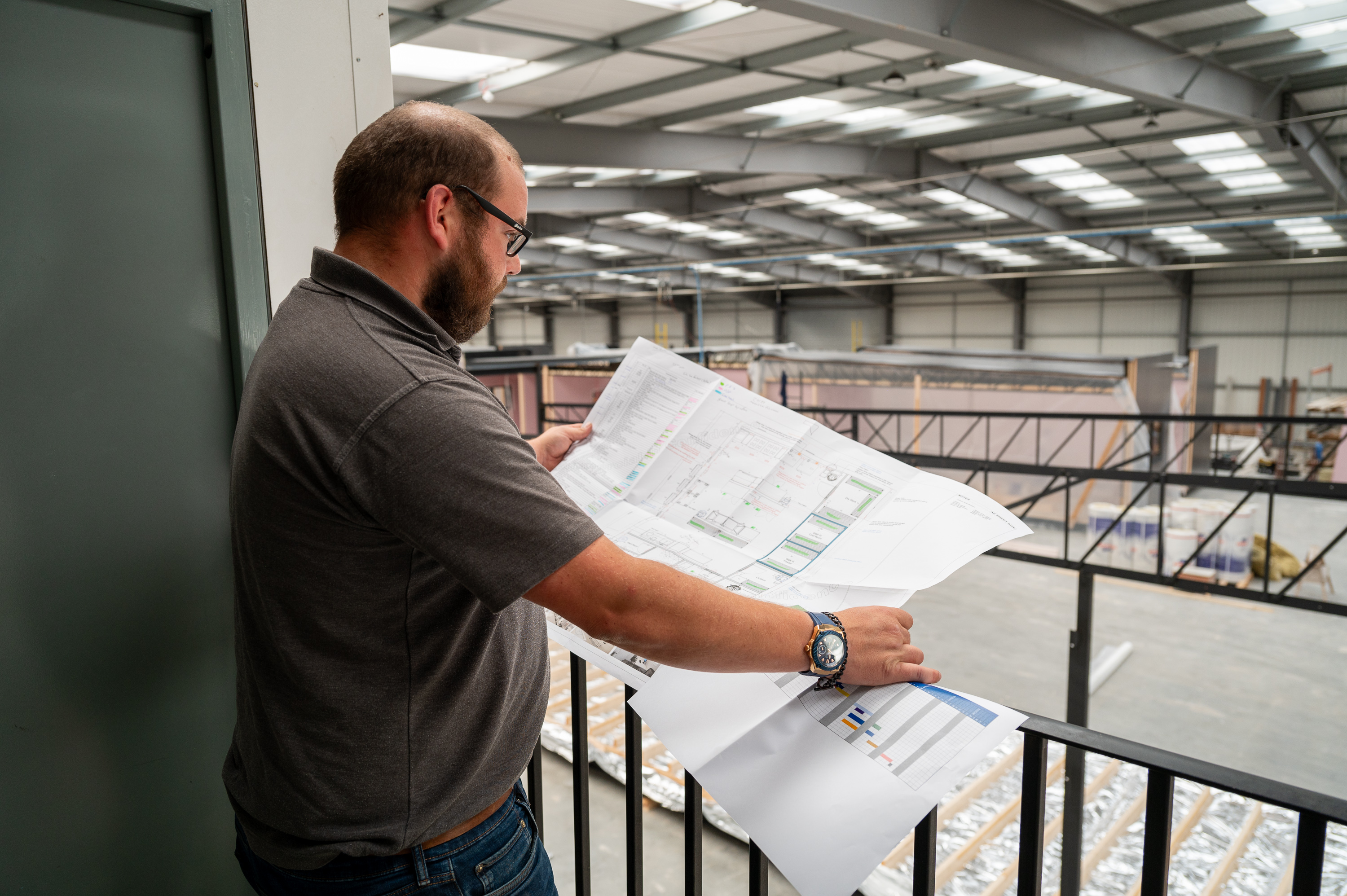
A location and site plan
Existing and proposed floor plans
Building elevations
Details of the building's appearance, dimensions and intended use
Parking, access and draining information
Any potential impact on the surrounding areas
The more information you provide straight away, the easier it is for the planning officers to assess your application.
Preparing Your Site Before Installation
Unlike traditional construction, modular buildings allow most of the site preparation to take place while the building is being manufactured off-site. This helps reduce any disruption once installation begins.
Groundworks, foundations and drainage can often be completed before installation, depending on the project. This can help reduce the workload when the building is delivered.
It is also very important to do any site investigations early on, such as ground condition surveys. This can help reduce the workload when the building is delivered. This approach is particularly helpful for modular offices, where businesses want minimal disruption and to keep operations running during construction works.
A reputable modular building company will offer full turnkey solutions. This involves having one point of contact throughout your whole project. They would arrange the plans from start to finish, including the groundworks. This removes the need for you to coordinate different tradespeople. A single provider manages the entire lifecycle, which is one of the reasons a lot of businesses opt for a modular building company.
Common Planning Issues (And How To Avoid Them)
From a planning perspective, appearance matters. Local authorities often consider how the building fits in with the surrounding area. Choosing a design that complements the surrounding buildings can help strengthen your application.
Some common issues to consider:
A design that doesn’t suit the local area
Loss of privacy or daylight for surrounding buildings
Traffic, parking or access concerns
If you can pick up on these concerns early on, small design changes or supporting reports are often enough to strengthen an application before submitting. Supporting reports can help demonstrate that you have carefully considered your development plans. Speaking to planning officers early on and responding to feedback can also give your application the best chance of success.
Why Working With An Experienced Modular Building Manufacturer Matters
Choosing the right modular building manufacturer doesn’t just affect the quality of the finished building; it also makes the planning process much smoother. Experienced modular building companies understand what is typically required for planning applications and can provide the drawings, technical information and support throughout.
At Phoenix Building Systems, we work closely with customers and assist with the planning process from the earliest stages of the project.
Planning permission is an important step for most permanent modular buildings, but it doesn’t have to slow your project down. With good preparation, early conversations and support from experienced modular building companies, the process can be far more straightforward than many people might expect.
Whether you are expanding your school, healthcare facility or modular office, understanding the planning process early keeps your project on track.
Phoenix Building Systems can assist you with navigating planning requirements, manufacturing your building and delivering a complete solution suited to your project.