Quality control should start way beyond your modular building arriving on site. It should be built into the process from the beginning.
For modular building projects, one of the biggest factors affecting quality is how much of the process a manufacturer controls themselves. When design, manufacturing, installation and aftercare are closely connected, there are less opportunities for information to be lost between different companies and more opportunities to check that the finished building matches the original specification.
At Phoenix Building Systems, the process is managed from the initial brief through to design, manufacture, installation, handover and ongoing service. This shows a good example of how off-site manufacturing can give you a better oversight and consistency throughout a project.
Starting With a Clear Specification
More control over quality starts with understanding exactly what the building needs to achieve.
Every modular building project has its own requirements. These can include the size and layout of the building, its intended occupancy, location, cladding, electrical fittings, furnishings and other specified features.
Working out these details at the beginning gives everyone a clear specification to work from as the project develops. It also creates an opportunity to identify potential problems or make recommendations before manufacturing begins.
This is important because quality is not simply about how a building looks when it is finished. It needs to be suitable for its purpose and work for the people who will use it.
The more clearly those requirements are understood at the start, the easier it is to maintain control over them throughout the rest of the project.
Turning the Specification Into a Controlled Design
Once the requirements have been worked out, they need to be translated into a practical design.
For a bespoke modular building, the design stage gives you an opportunity to develop the solution and allows you to read through the details before manufacturing begins.
This creates an important check in point in the quality process. Rather than moving from an initial conversation into production, the requirements are developed into a detailed solution that can be looked at and agreed.
It also gives everyone a shared point of reference. The design sets out what is intended to be manufactured, helping you and your modular building company work from the same information as the building progresses.
Having a clear connection between the specification and the final design can help to reduce the risk of mistakes further down the line.
How Factory Manufacturing Improves Quality Control
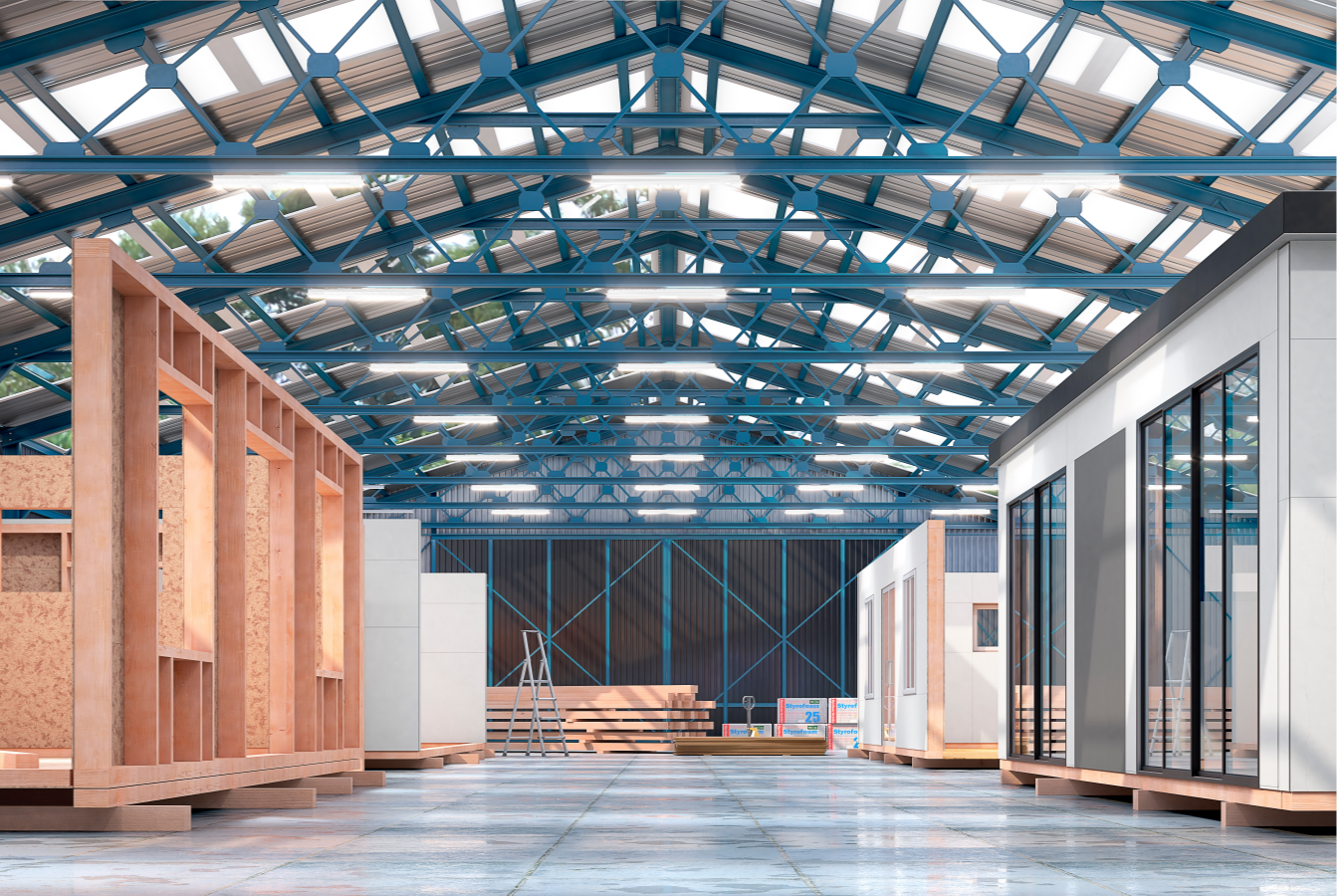
One of the main advantages of off-site manufacturing is that construction takes place in a controlled factory environment.
Unlike a live construction site, a factory provides an environment in which materials, tools, processes and workmanship can be managed more closely. For example, you aren’t subject to weather disruption, site congestion or any other changing conditions that can affect traditional construction projects.
If a particular internal finish, electrical fitting or layout detail needs changing during production, a modular building company that manufacture off-site can usually address that with the people who designed the building rather than waiting for information to pass between separate contractors.
With fewer companies involved, there are less opportunities for that information to be misunderstood.
For you, the important question is not simply whether modular building companies have the product you need. It is how much of the manufacturing process it actually controls.
Maintaining Quality During Installation
Manufacturing a building to the agreed specification is only part of delivering a quality project. The way it is installed also matters.
Installation is the point where the work completed in the factory comes together with the planning carried out for the site. Transportation, positioning, installation and the fitting of elements such as electrical systems and furnishings all need to be coordinated in line with the requirements of the project.
Keeping these stages connected can make it easier to identify and address issues before they affect the finished building.
It also means the modular building company can work from information gathered during the earlier stages rather than having to establish the requirements again once the building reaches site.
Quality Continues After Installation
The relationship between you and the modular building manufacturer does not necessarily end when the building is installed.
Handover provides another opportunity to make sure you understand the completed building, including how it should be maintained, any relevant occupancy requirements and the options available if the building needs to be adapted in the future.
Ongoing service and maintenance can also form part of the wider quality process.
This matters because a modular building is intended to be used over many years. Quality should therefore be considered across the building's lifecycle rather than judged solely on the day it is handed over.
Having access to the original project information and a team familiar with how the building was designed and manufactured can also make future maintenance or adaptations easier.
Independent Standards and Long-Term Assurance
Off-site manufacturing can provide more control over the production process, but you may also want reassurance that a modular building manufacturer's approach to quality is supported by recognised standards.
For example, Phoenix Building Systems states that it holds ISO 9001 accreditation, an internationally recognised standard for quality management systems. This provides a framework for managing processes consistently and focusing on continual improvement.
The company also provides a 20-year warranty on its buildings, giving you longer-term assurance beyond the initial installation.
These measures show why quality should be considered more broadly than physical workmanship alone. A manufacturer's processes, quality management systems and commitment to supporting a building throughout its lifecycle can all contribute to the overall customer experience.
What to Look for in a Modular Building Manufacturer
If control over quality is important to your modular building project, it is worth looking beyond photographs of finished buildings and asking what happens behind the scenes.
The key benefit of an off-site approach is not simply that more work happens under one roof. It is that the different stages of a modular building project can remain connected, from the initial specification through to manufacture, installation and ongoing support.
For customers, that can mean more visibility, fewer handovers between different organisations and more consistent control over the quality of the finished building.
At Phoenix Building Systems, this end-to-end approach brings the initial brief, design, in-house factory manufacturing, installation and ongoing service together within one process. By manufacturing buildings in-house, we cut out the middle man and maintain quality control throughout. If you are planning a modular building project, Contact Phoenix Building Systems today for a quality-controlled result.